

GLP-1 Medications
What Are GLP-1 Drugs
GLP-1, or glucagon-like peptide-1, is a hormone your body makes that lets your organs know when you’re full. GLP-1 agonists, such as semaglutide, for example, are drugs that mimic your body’s GLP-1 to promote weight loss.
They slow the emptying of food from your stomach into your intestine.
They stimulate the release of insulin from your pancreas to lower your blood sugar.
They act on the brain to reduce hunger.
Tirzepatide is known as a dual agonist because not only does it mimic GLP-1, it also contains a compound that mimics the gut hormone, GIP (glucose-dependent insulinotropic polypeptide).
Retatrutide is a triple hormone receptor agonist that’s still in clinical trials. It activates GLP-1, GIP, and glucagon receptors. Glucagon activation increases energy expenditure and clears fat from the liver without causing blood sugar spikes.
According to Eli Lilly, “Preclinical and early-phase clinical data suggests retatrutide may reduce food intake; enhance energy expenditure; improve lipid metabolism and glucose homeostasis; and reduce inflammation”.

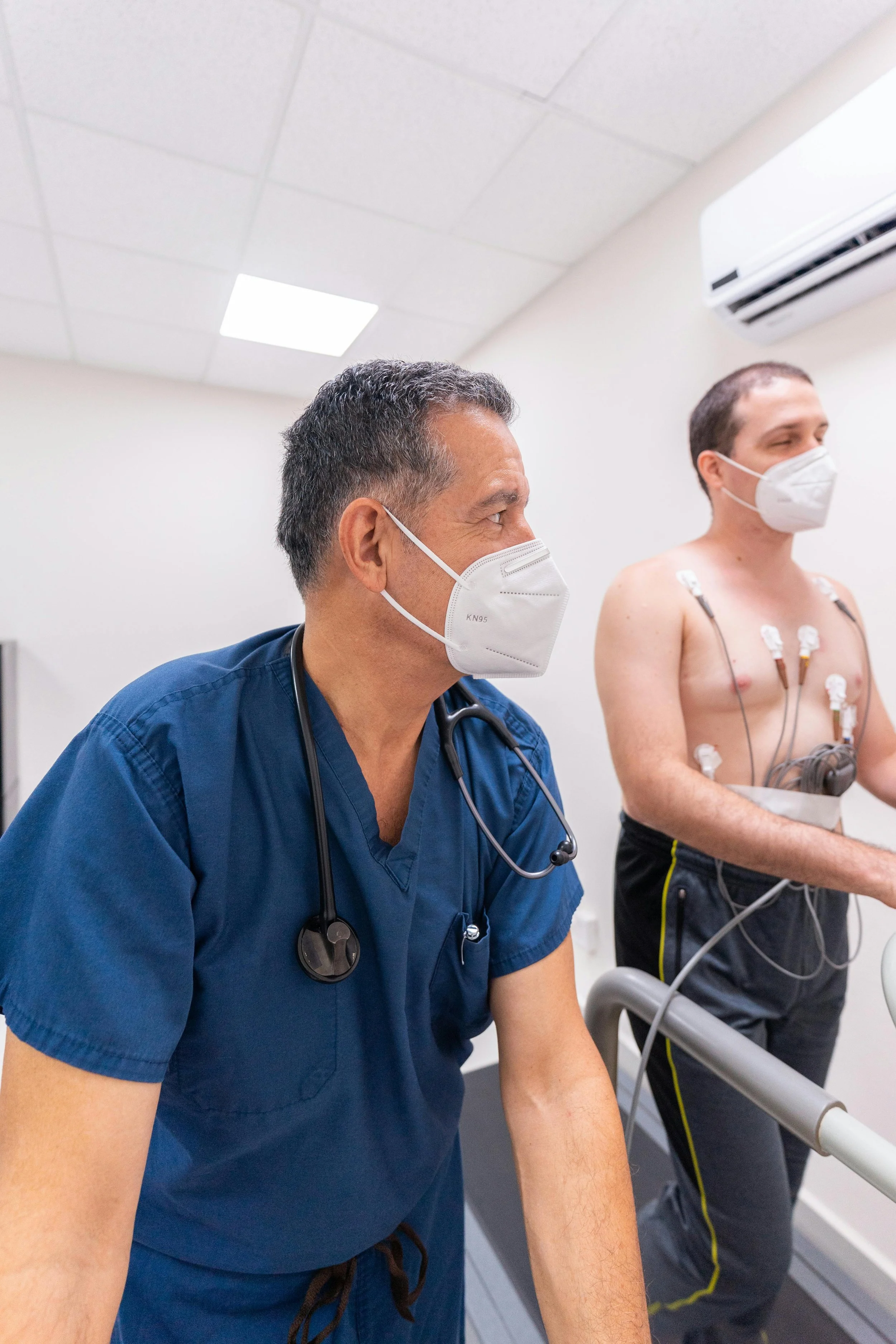
GLP-1 Medications Aren’t Just For Weight Loss
Originally developed to treat diabetes, GLP-1 medications are one of the biggest medical breakthroughs of this century. In addition to their unprecedented effectiveness for weight loss, they’re showing unexpected benefits in normal-weight individuals, and the list continues to grow. Receptors for GLP-1 are found in multiple organs and tissues throughout the body.
Semaglutide (marketed as Ozempic or Wegovy) decreased the risk of a heart attack or a stroke 20% in obese adults with pre-existing heart disease and both semaglutide and tirzepatide are now FDA-approved to lower cardiovascular events and stroke.
A recent study showed a 7-point decrease in blood pressure in overweight hypertensive patients taking tirzepatide.
Semaglutide reduces the risk of worsening kidney disease in adults with Type 2 diabetes and chronic kidney disease.
Semaglutide decreases fatty liver disease.
One study showed a 41% decrease in endometrial, breast, bowel, kidney, pancreatic, thyroid, ovarian, esophageal, gastric, liver, and gallbladder cancers in non-diabetic obese patients who took GLP-1 drugs for weight loss.
Mice given semaglutide for 3 months showed improved cognitive and muscle function. Another group of mice treated with semaglutide lived a median of 100 days longer than untreated mice.
Research presented at the European Respiratory Society Congress in September 2026 showed that diabetic patients with asthma or COPD had fewer flares on GLP-1s than on other diabetic medications.
Skinspirations’ GLP-1 Weight Loss Programs
Our weight loss program is comprised of weekly injections of a GLP-1 drug (your choice of semaglutide or tirzepatide) along with nutritional coaching to help you lose weight steadily and safely.
Injections are done with tiny insulin needles that barely penetrate the skin on your abdomen. You can either have the injections done here in the office by our Medical Assistant, Emma, or you can take up to six pre-filled syringes home to do yourself. Emma will show you how to do the treatment during your consult if you elect to start the program, and most people who thought they were afraid of needles find that the injections are easier to do than they thought.
Patients are started on a low dose initially, which is effective for weight loss for most people and has the lowest chance of causing side effects. The dose can be increased if patients stop losing weight and don’t have problems with the lower dose. Once patients reach their goal weight, they can usually maintain it with occasional maintenance treatments as needed.
Not everyone loses a significant amount of weight on GLP-1s, and it’s impossible to predict who those people will be. Up to 15% of people who try GLP-1s for weight loss find that even at a maximum dose, their appetite isn’t suppressed. Every individual is different in their weight loss or side effect response, and some do better with one of the drugs than the other.
If you’re interested in starting a weight loss program at Skinspirations, please fill out a weight loss questionnaire and make an appointment for a consultation below.


Tips to minimize the potential side effects of a GLP-1 weight loss program
Try to get at least 40 grams of protein a day. If you have no appetite, drink high-protein, low-calorie shakes.
Make sure you eat a lot of vegetables for fiber every day. Beans, lentils, edamame, and chickpeas are all excellent high-fiber choices that have a lot of protein. If you start to feel constipated and bloated, start taking Miralax or Phillips’ Laxative caplets.
Stay hydrated by drinking eight cups of fluids such as water or calorie-free electrolyte beverages per day because high-fiber diets can make you feel bloated if you’re not well hydrated.
Drink ginger or peppermint tea, or ginger chews or capsules if you have nausea. If you’re feeling severe nausea or vomiting, call us and we’ll call in a prescription to your preferred pharmacy for nausea medication.
Take Tums or other chewable antacid tablets if you experience heartburn.
Eat smaller, more frequent meals, and stop eating before you feel full.
Avoid fried or greasy food.
Don’t eat too quickly and only drink a small amount of liquid with meals.
Don’t lie down soon after eating or eat just before bedtime.
If you feel hungry between meals, drink a low-calorie protein shake.

GLP-1 Treatments
Skinspirations offers Glucagon-like peptide-1 (GLP-1) agonists, including semaglutide (better known by the brand names Ozempic and Wegovy) and tirzepatide (brand names Zepbound or Mounjaro) for weight loss and/or age management.
Pricing
GLP-1 treatment fees are based on the type and amount of GLP-1 used, and whether you do the weekly injections at home or in the office.
4 self-injected semaglutide treatments start at $140
4 self-injected tirzepatide treatments start at $300
Pricing subject to change without notice.
Every recent generation has been more overweight than the one preceding it and it’s estimated that by 2030, half of all Americans will be obese. While the increase in consumption of processed foods and less exercise has certainly contributed to the rise in obesity, research is showing that the causes for being overweight are more complicated than “calories out vs. calories in”. Medications that can help people reach and maintain a healthy weight can have a dramatic impact not only on their appearance but also on their health.
Only Trust Your GLP-1 Strategy to the Experts
If you’re interested in starting a GLP-1 treatment program, make an appointment for a complimentary consultation, and we’ll be happy to discuss it.
REQUEST A CONSULTATION
⭐️⭐️⭐️⭐️⭐️
“ Great professional service with the latest products and technologies – definitely worth my drive over.”
– Angé Peterson